

Associate 08-10-2026
Visualisation: How Athletes Rehearse a Match Before It Happens
The night before the biggest race of his life, Michael Phelps did something he had done countless times before. He lay in bed and swam the race in his head.
He went through every stroke, every turn, every breath. He imagined the race going perfectly, but he also imagined what might go wrong.
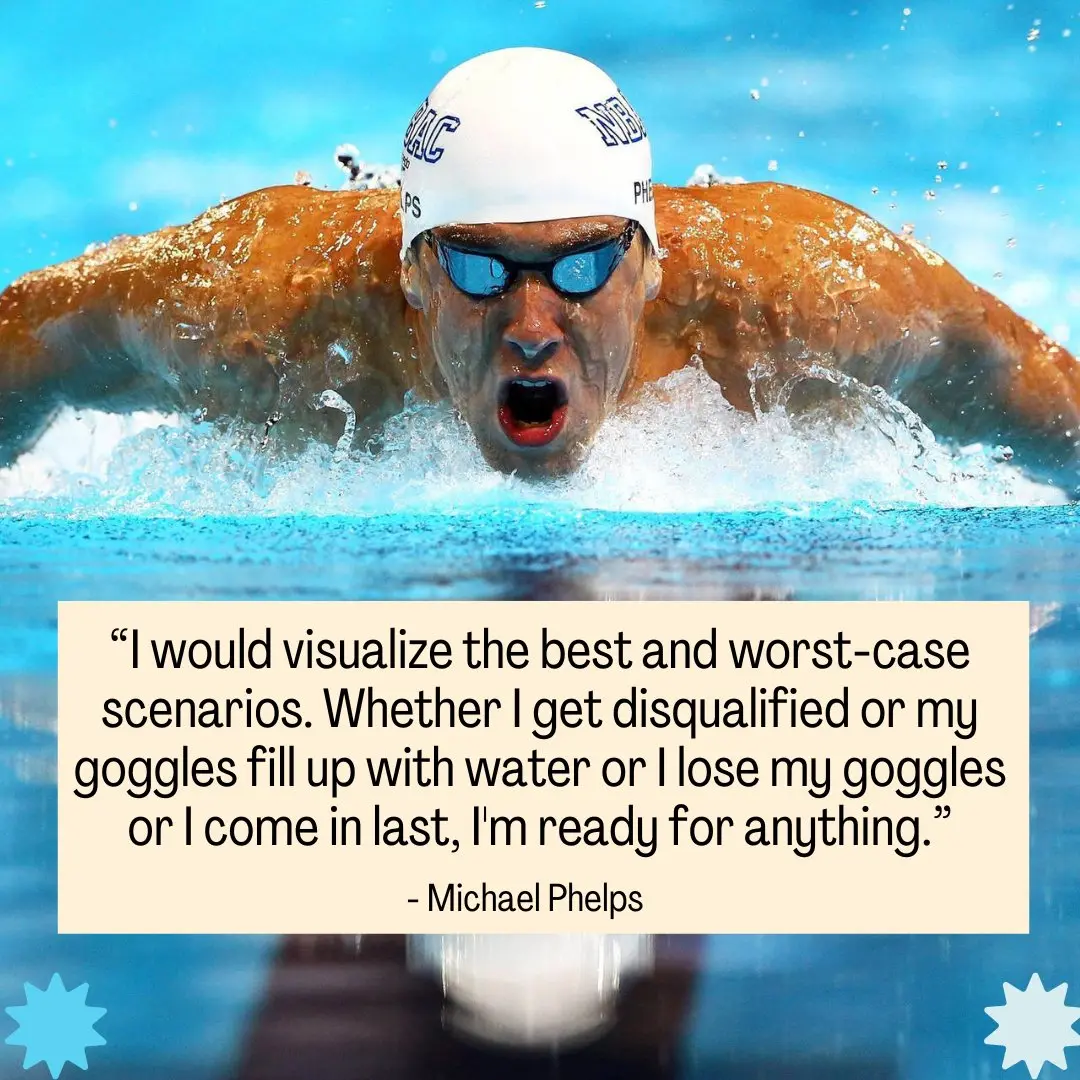
Phelps had been doing this since he was thirteen. By the time he stood on the starting block for the 200-metre butterfly at the 2008 Beijing Olympics, he had already mentally rehearsed the race hundreds of times. During the actual race, his goggles filled with water. He could barely see. But he did not panic. He counted his strokes, trusted what he had rehearsed and finished first.
That is visualisation.
It is more than simply imagining yourself winning or telling yourself that everything will go well. In sport psychology, visualisation involves deliberately and repeatedly rehearsing a performance in your mind, including the movements, sensations, surroundings and possible difficulties you may encounter.
What Does It Look Like in Practice?
Phelps did not only picture the perfect race. He also imagined the things that could go wrong: a bad start, a mistake during a turn or his goggles filling with water. The point was not to expect failure. It was to make unexpected situations feel less unfamiliar if they actually happened.
Other athletes use similar techniques, although the way they visualise can look very different.
Kobe Bryant, for example, described his approach as process visualisation. He did not simply imagine the ball going through the basket. He imagined the entire experience of playing: the sounds, the surroundings and the physical feeling of handling the ball.
As he explained, repeatedly putting those experiences into his mind meant that, when he eventually stepped onto the court, many of the situations already felt familiar.
Cyclist Chris Froome approached visualisation in a similarly detailed way. Before the Tour de France, he would drive along important sections of the route, paying particular attention to difficult climbs and sections where decisions might matter. He would then replay those roads mentally before the race.
When he eventually reached those sections during competition, they felt familiar rather than completely new. Froome described the experience as almost being on "autopilot".
The common thread between these athletes is the level of detail. They were not simply thinking, "I am going to win." They were mentally walking themselves through the actual performance.
Why Might It Work?
There are several explanations for why mental rehearsal can influence physical performance.
One of them comes from neuromuscular theories of imagery. When a person vividly imagines performing a movement, the brain can produce small patterns of neural activity associated with that movement. These signals are not strong enough to produce the full physical action, but repeated mental practice may contribute to strengthening or refining the neural processes involved in performing it.
This is one reason mental practice is often used alongside physical training rather than instead of it. Research also supports the idea that visualisation can add something to physical practice. A 2024 study involving football players found that combining mental visualisation with physical training produced improvements in measures including vertical jump performance, sprint speed and competitive self-confidence compared with physical training alone.
The important point is that the mental rehearsal was being used as part of training. Athletes still had to do the physical work.
The Details Matter
Not all visualisation is necessarily the same. There is a difference between vaguely thinking about a successful performance and actually mentally rehearsing what that performance will feel like.
Elite athletes often make their imagery highly specific. They might imagine the pressure of the ground beneath their feet, the sound of the crowd, the movement of their body or even the environment around them. The more closely the mental rehearsal resembles the real situation, the more useful it can become as a preparation strategy.
Freestyle skier Eileen Gu has described using several perspectives when she visualises. At times, she imagines watching herself from above, almost as though she were seeing herself from a drone. At other times, she switches to a first-person perspective, imagining the movement from inside her own body and focusing on sensations such as the wind and the sound of her skis. She uses this process at different points before competing. Her explanation captures an important part of mental rehearsal: it allows an athlete to become familiar with an experience before actually having to perform it under pressure.
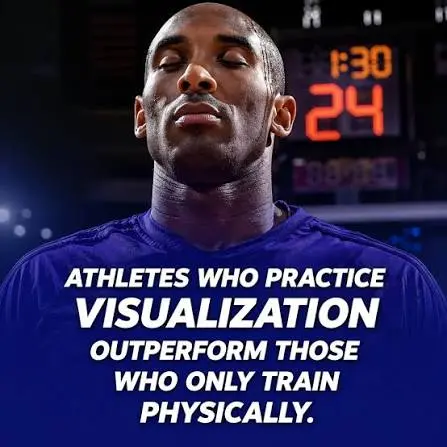
Visualisation cannot replace physical training, and imagining a perfect performance does not guarantee that one will happen.
Its value is more practical than that. Competition is unpredictable. Conditions change. Mistakes happen. Pressure can make familiar situations suddenly feel unfamiliar. Mental rehearsal gives athletes an opportunity to prepare for some of that uncertainty before they are actually in the moment.
Phelps had already imagined his goggles failing. Froome had already studied and mentally travelled difficult sections of his route. Other athletes rehearse particular movements, decisions and situations until they become increasingly familiar. In that sense, visualisation is less about predicting exactly what will happen and more about reducing the amount of unfamiliarity an athlete has to deal with when it does. The race still has to be swum. The climb still has to be ridden. The shot still has to be taken. But part of the performance has already happened in the athlete's mind.
The same principle can be useful beyond competitive sport. Anyone preparing for a high-pressure performance, presentation, competition or professional situation can use mental rehearsal to become more familiar with what they are about to face. At Sumona Wellness, these skills can be incorporated into performance preparation and adapted to the demands of the individual and the situation.