

Senior Associate 13-10-2026
Eco grief : impending doom or just another scarecrow?
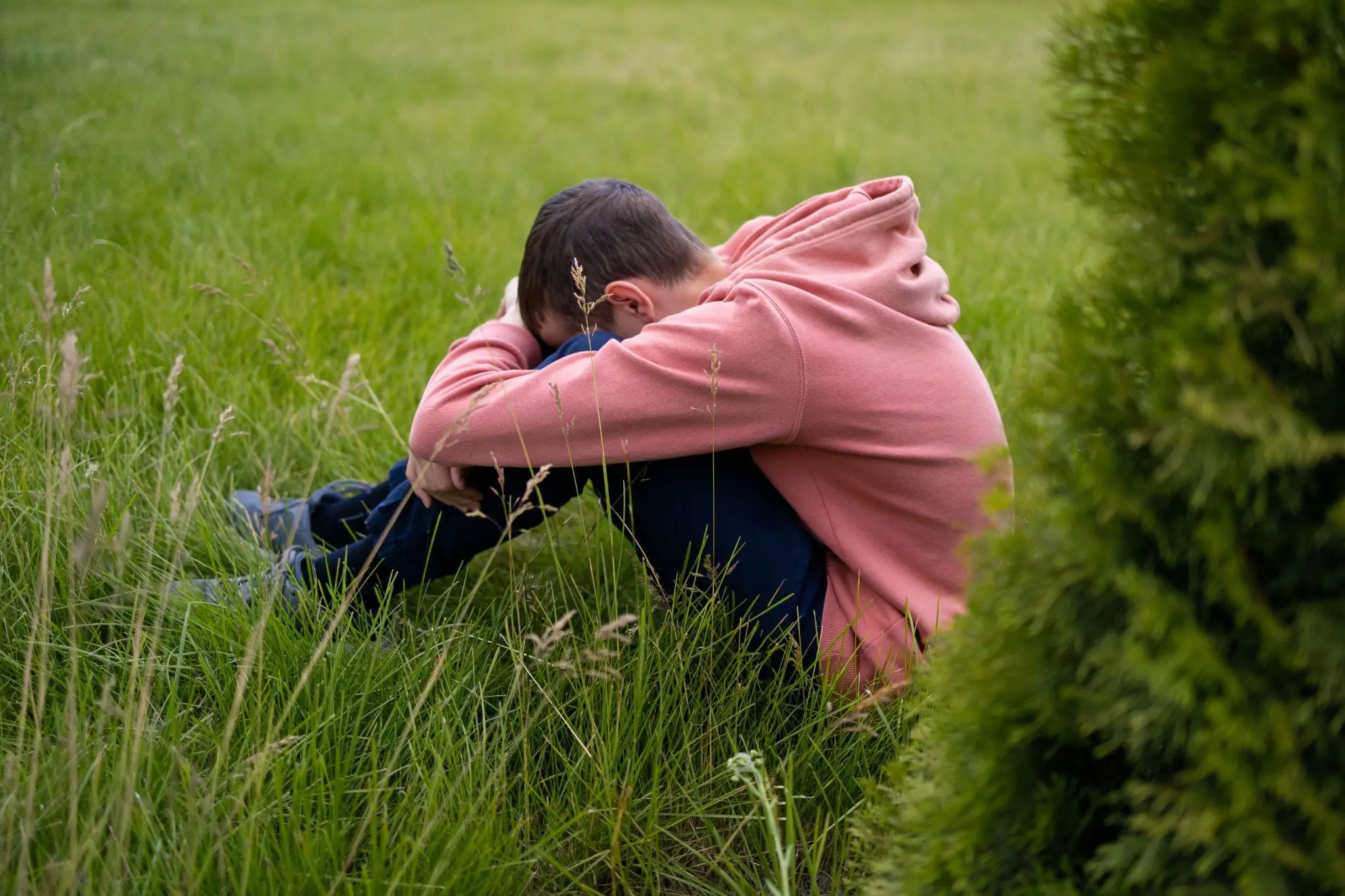
Ecological crisis is no longer just a physical environmental threat that we all seem to conveniently ignore. In today’s day and age it's an individual mental health crisis. Somewhere between checking the AQI before you step out and reading that this was, yet again, the hottest year on record, something shifts in you. It isn't quite scary. It isn't quite sadness. It's a low hum underneath both, and the English language never really gave it a proper name until psychologists started calling it 'eco-grief'. The term has had a strange decade. It went from a niche academic curiosity to a Vogue headline to, more recently, the target of a growing backlash that says the whole thing is overblown. By overblowing what popular media means, it's apparently a created atifically manufactured anxiety meat just to scare people and cause media attention.
So which is it? Is eco-grief a legitimate psychological response to a genuinely deteriorating world, or is it a scarecrow, as the headline attempts to ask? The honest answer to this very crucial question is that both camps are working with real evidence. Let's walk through it properly and clearly.
What exactly are we talking about?
Eco-grief isn't one thing. It's a small family of related experiences that researchers have been trying to pin down for about two decades now.
The Australian philosopher Glenn Albrecht started it in 2003 with solastalgia, a word he built from "solace," "desolation," and "nostalgia" to describe something oddly specific: the homesickness you feel while still standing in your own home, because the home itself is changing around you. Not displacement. Erosion.
So how did this idea come up? He was watching a mining strip in the Upper Hunter Valley in New South Wales when he coined it, but the idea travelled fast. Ideas as they always are and not a part of just a location or a context they travel as humans do. So for this experience, this erosion this feeling of being a part of nostalgia for the place that used to beIs not really just a experience of an Australian philosopher it's a universal experience in the sense that belongingness is universal .So this idea of erosion is not just about a part of a country or a mining field it's about erosion of the fields the seasons that we used to know for years centuries and then they have been stripped off for from our lives.
Then again in 2018 Ashley Cunsolo and Neville Ellis gave the feeling its prominent paper. They argued that ecological grief, that is mourning for species ecosystems and Landscapes lost or threatened by climate change. It is not just a malfunction. It is grief doing exactly what grief is supposed to do: register loss.
So here what we understand is that the issue indeed is existently vital which makes the question further more inevitable as to why some people feel this issue to be so deeply issued so deeply and end up feeling anxious and fearful. While others are still negligating towards the global disaster which decides not only their fate and future but their generations to come. The reason for this lack of importance of this Global threat is that one's life can be differ from person to person but the most common ones are lack of education in the developing countries and the unawareness among people one of the cause is the denial of extent and and effect of the global demon and the consequences of carelessness. It could also be that the kind of a mindset that terms these vicious problems of mental health and environment a scarecrow is also one of the reasons that we don't seem to be bothered by this issue.
Is it an impending doom? And if so, why?
If you're inclined to think that this is real this is all real and rising the data backs you up more than you would expect. The biggest piece of evidence is a 2021 Lancet planetary health study led by Carolina Hickman surveying 10 000 people aged 16 to 25 across 10 countries including India. 59% said that they were very or extremely worried about climate change. Over half reported feeling sad, anxious, powerless or helpless. Nearly half said that it was affecting their daily functioning. Three quarters agreed that the future is frightening. This is not a fringe reaction that's a majority experience among an entire generation. Now imagine this being a lived reality and not a made-up headline.
A more recent 2025 meta-analysis pooling 94 studies and over 170,000 participants across 27 countries found something equally important, that is Climate anxiety behaves like a distinct psychological construct not like a Rebrand of general anxiety. It is measurable, it is consistent across culture and It correlates with being youngAnd something that might hit closer to home is that the number gets sharperA 2025 survey cited by teri found that 90 percent of Indian youth report experiencing some form of equal anxiety with heat waves erratic rainfalls and water scarcity as the biggest triggers. It is not a distant catastrophe, it is the weather that they can actually feel on their own skin. A2025 qualitative study out of an Indian Institute of Public Health Delhi sat down with young adults in Delhi NCR specifically and found somethingSame emotional architecture and Ellis described elsewhere, Grief helplessness guilt and a persistent question of what if anything what if one person's actions are actually worth. That is not a scare crow built out of nothing. There's a real cross-cultural statistical stable phenomena.
Is it just another scarecrow meant just for the headlines?
Now that's a question that's been persistent throughout this conversation and the popular media outlets that have been publishing about this. The Scarecrow question always comes up. If it even if it's real?
The sharpest version of it goes like this the moment you cause moment you call something equal anxiety and handed a clinically sounding name you have quietly relocated the problem it stops being the about the world and the rising emission, failed policies, And a warm Atmosphere And starts to become an individual problem with shirt it certainly isn't It starts to become a conversation about some Bougie people some people who can afford their therapy can afford individual care it starts to become that but it certainly isn't it's about a global a community based global problem So the shift from being a World problem to an individual's nervous system problem is certainly a distraction from what it actually is and what should actually be done To sort of make Positive step in this direction David Cohen a professor of social welfare has argued exactly this This pathologizing climate distress turns the political and structural crisis into something you you are not expected to personally manage on your own on your individual level May be even Medicate rather than something we are expected to collectively fix which then actual problem is supposed to be collectively fixed.

It is now Not something that is subtle The planet is on fire but somehow you are the one who needs the copycoping strategy This shift in the narrative through media and popular conversation is what brings eco grief from a global world problem to an individual problem Now there is a This is second critique sitting alongside it that equal anxiety has generally has become generally trendy and trendy diagnosis attract opportunists Good grief support groups eco chaplain small cottage industry of retreats and workshops none of it is necessarily bad but it means that term has been stretched wide through the cover from a Delhi teenager watching a city burn get unlivable a wealthy Londoner feeling vaguely guilty about a flight they took Now bring these turned together into on under one label and it will list flattening a spectrum that runs from acute direct threat to refuse background unease.
So the scarecrow argument Isn't climate change isn't real it's a narrower and more interesting than that The that the emotional response has been packaged, branded and sold back to us in a way that way may say more about media cycle wellness marketing than about anyone's actual mental state.

The real answer
Eco grief is not a scarecrow. The data from Delhi classrooms to 10 countries The Lancet survey is too consistent for that. But it's not quite the impending doom narrative some corners of the Internet wanted to be either because doom implies helplessness and the research is fairly clear that this emotion had handled well moves people towards agency rather than away from it Maybe more honest title for this piece is 'Eco-Grief: Neither Doom nor scarecrow It's a smoke detector Mildly annoying hard to ignore and if you cheque the actual data instead of dismissing the noise May actually benefit our people in tour towards more Positive and more intentional environmental care direction.