

Rebuild Your Relationship with Sumona in New Delhi
Every couple hits a rough patch one or the other time. But the difference between a tough patch and a horrid storm in your relationship is the conversational understanding and how does one figure that out. The tricky part here isn't the rough patch itself , it's understanding when "we'll work it out" quietly turns into "we haven't really talked in months" or “we don't talk about how we feel about situations anymore”.
If you're reading this right now, there's a good chance you already know which side of that line you're on and we at Sumona totally understand how difficult it must have been to be there.
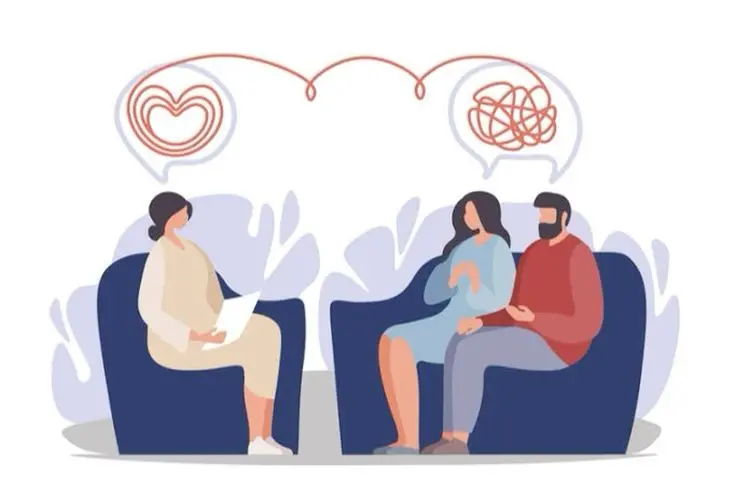
Marriage counselling has a lot of the stigma as it used to carry in India since ages. But in the modern world, it's no longer something couples turn to only as a last resort before the final separation. Increasingly, it's treated like a health check-up , something you do to catch problems early, before they actually intensify to eventually break your marriage. And in a metropolitan city like Delhi, where work pressure, joint family dynamics, and long commutes eat into the time couples actually spend connecting, that early check-in matters more than ever.
What Structured Couples Counselling Actually Looks Like
A lot of people picture therapy as vague, unstructured venting and wonder “how talking to a stranger is gonna help anyways?” and wonder why can't I just talk to my spouse or partner. But good counselling isn't that. It is helping facilitate the conversation that helps you two understand each other and honestly if those conversations was so easy you wouldn't be reading this either. At Sumona, we understand the intricacies of such situations and intend to help you not have to go through it alone. The top marriage counselling services in India follow a fairly defined process, even if the emotional content of each session is different for every couple.

The first session is usually diagnostic. The therapist isn't picking sides or looking for who's "right." They're mapping the relationship , communication patterns, recurring conflicts, what each partner needs and isn't getting, and how long these patterns have been running. It isn't always the case of right or wrong and almost always it's about just not feeling heard. And that's where marriage counselling comes in. This is also where couples usually decide if the therapist is a good fit, which matters more than people expect.
From there, most approaches borrow from behavioural and cognitive frameworks. This is where terms like behavioural therapy come in, not in the clinical, disorder-treatment sense or patient disease way, but as a set of tools for changing how couples respond to each other in the moment. Instead of just discussing that you fight about money, a therapist might help you notice the specific behaviour that escalates the fight, interrupting, withdrawing, raising your voice and building a different response to practise.
In New Delhi, where many couples are also managing intergenerational households, this behavioural piece often extends to boundary-setting with in-laws, not just spouse-to-spouse communication.
Homework is common. Structured couples therapy rarely stays inside the session. You might be asked to have a specific conversation at home, practise active listening for ten minutes a day, or simply notice and log moments of disconnect. This is what separates counselling that produces real change from counselling that just feels good for an hour and fades by Wednesday.
At Sumona, progress is checked, not assumed. A good therapist revisits goals every few sessions , are the fights less frequent, is communication easier, does intimacy feel more accessible. If something isn't working, the approach shifts. This isn't a fixed script; it adapts to the couple.

Online or In-Person , Does It Matter?
Ofcourse it does but only in sense of your means and comfort but not in the context of right way or wrong way.
Online marriage counselling services in India have grown a lot, and for good reason. If you and your partner are juggling demanding jobs, live in different cities for stretches, or simply find it easier to open up without the formality of an office visit, video sessions work just as well for most couples. The research on this is fairly reassuring , outcomes for online couples therapy are broadly comparable to in-person sessions, provided both partners are equally engaged.
That said, some couples prefer the ritual of physically showing up somewhere together , it signals commitment in a way a video call sometimes doesn't. There's no universally right answer here. What matters more is consistency and whether both partners actually feel safe enough to be honest in that format.
When Should Couples Actually Seek Help?
There's no rulebook that says you need to be on the verge of divorce to book a session. Most people consider counselling in general when certain troubles start to impair their daily functioning of life.
Some signals worth paying attention to:
- Conversations keep circling the same unresolved issue without ever landing anywhere
- One or both partners have started avoiding certain topics entirely just to keep the peace
- Physical or emotional intimacy has quietly dropped off and neither of you has addressed it
- A major life event , a new baby, job loss, relocation, illness in the family , has strained the relationship in ways you didn't expect
- You're having the same fight with slightly different words, over and over
None of these mean the relationship is failing. They usually mean the relationship has outgrown the tools you're currently using to manage it, and that's a very normal, very human thing.
Choosing the Right Support
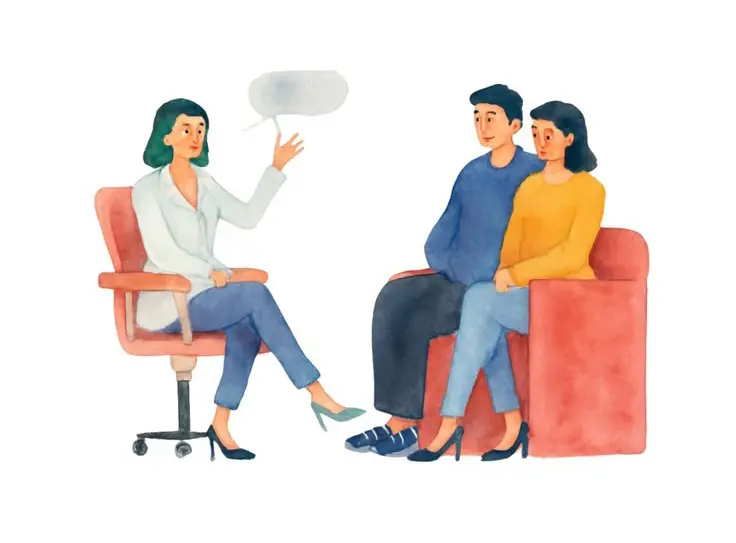
If you're comparing options, a few things are worth checking beyond just credentials, does the therapist have specific training in couples work, do they offer a structured process rather than open-ended chat, and are they upfront about how progress will be measured. Institutes like Sumona Institute have built their approach around exactly this , combining evidence-based behavioural methods with the flexibility of both online and in-person formats, which tends to suit the pace of life in a city like Delhi.
Counselling isn't a sign that a marriage is broken. Often, it's the opposite of that, it's two people deciding the relationship is worth the effort of getting outside help to fix what they can't quite fix alone. It's two individuals who acknowledge their shortcomings and have the sense of self awareness to bring in hell when needed.